
Hypertension, commonly known as high blood pressure, is often referred to as the “silent killer” because it rarely shows symptoms but significantly increases the risk of heart disease, stroke, and other serious health conditions. The good news is that with lifestyle adjustments and medical guidance, managing hypertension is entirely achievable.
Here are some practical tips to help you take control:
1. Adopt a Heart-Healthy Diet
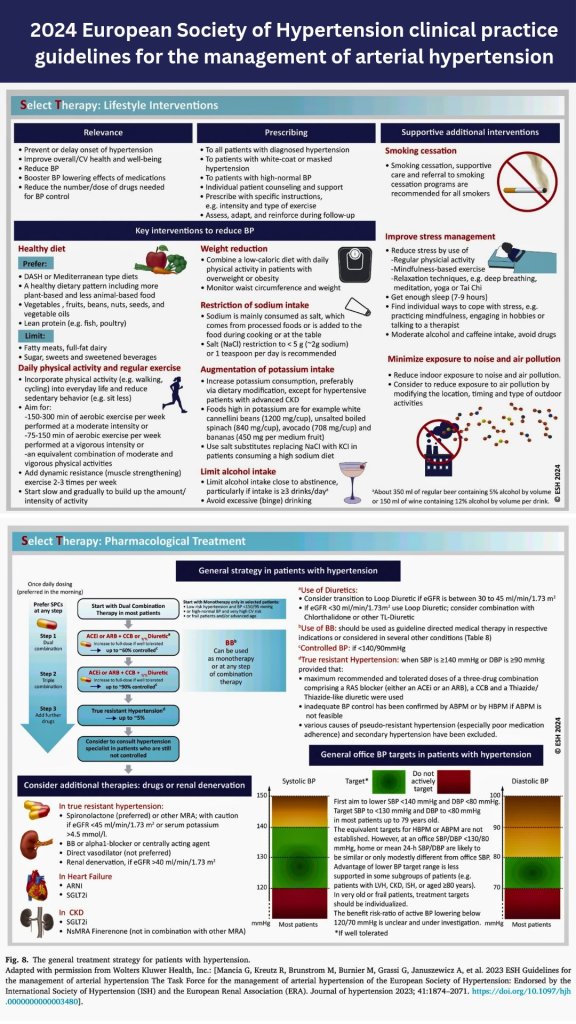
A diet rich in fruits, vegetables, whole grains, and lean proteins can do wonders. Consider following the DASH (Dietary Approaches to Stop Hypertension) diet, which emphasizes foods low in sodium, saturated fats, and added sugars.
2. Monitor Sodium Intake
Excess sodium contributes to elevated blood pressure. Aim to limit your salt intake to less than 2,300 milligrams a day, or even better, 1,500 milligrams for most adults. Start by reading food labels and choosing low-sodium alternatives.
3. Stay Physically Active
Regular exercise strengthens your heart, making it more efficient at pumping blood. Aim for at least 150 minutes of moderate aerobic activity, such as brisk walking or cycling, every week.
4. Maintain a Healthy Weight
Even a small reduction in weight can have a significant impact on blood pressure. Combining a balanced diet with regular exercise can help you achieve and maintain your ideal weight.
5. Limit Alcohol and Quit Smoking
Excessive alcohol and smoking are major contributors to hypertension. Moderation is key—no more than one drink a day for women and two for men. Quitting smoking, though challenging, is one of the best things you can do for your heart.
6. Manage Stress Effectively
Chronic stress can lead to hypertension. Practice stress-relief techniques such as deep breathing, meditation, yoga, or spending time on hobbies that bring you joy.
7. Regular Monitoring and Medication
Regularly check your blood pressure to track progress. If prescribed medication, take it as directed by your doctor. Never stop or adjust your dosage without consulting a healthcare professional.
8. Get Adequate Sleep
Quality sleep is vital for maintaining optimal blood pressure levels. Aim for 7-9 hours of restful sleep per night.
Take Charge of Your Health
Hypertension management is not just about avoiding complications but about improving your overall quality of life. A proactive approach combining a healthy lifestyle and regular medical checkups can help you lead a vibrant, fulfilling life with a strong heart.
Your journey towards managing hypertension starts with a single step—why not take it today?
 Sustaining Life